

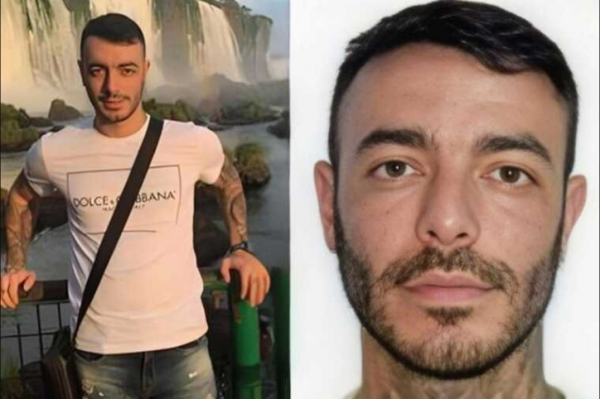
U.S. prosecutors have filed a second superseding indictment against Sebastián Marset, adding narcoterrorism and cocaine-trafficking charges just days after the accused Uruguayan claimed in a letter to a federal judge that federal agents had pressured his mother to hand over the access keys to his cryptocurrency wallet.
The indictment charges Marset with four counts: narcoterrorism conspiracy, conspiracy to possess with intent to distribute cocaine aboard a vessel subject to U.S. jurisdiction, money laundering conspiracy, and money laundering.
Prosecutors allege that Marset led a South America-based drug trafficking and money laundering organization also known as the Primer Cartel Uruguayo, or First Uruguayan Cartel. The indictment says the group moved “ton quantities of cocaine” from South America to locations around the world, especially Europe.
The new narcoterrorism count alleges that, from around 2018 until March 2026, Marset conspired to manufacture, distribute, and possess with intent to distribute cocaine while knowingly providing material support to an organization that had engaged in terrorist activity. The indictment identifies that organization as Marset’s own drug trafficking and money laundering network.
The charge places Marset’s case in a legal category that U.S. prosecutors have not often used. The narcoterrorism statute has been in force since 2005, but the Trump administration has stepped up use of terrorism statues against organized crime groups. In January 2025, the White House ordered directed agencies to designate certain international cartels and other organizations as foreign terrorist organizations or specially designated global terrorists.
The indictment also accuses Marset of conspiring with a member of Colombia’s Clan del Golfo and others to ship about 1,700 kilograms of cocaine by go-fast vessel from Colombia to Costa Rica in June 2024. Colombian authorities intercepted the vessel in the Caribbean Sea and recovered about 1,653 kilograms of cocaine that had been thrown overboard, according to the indictment.
The money laundering allegations center partly on Federico Santoro Vassallo, a Paraguayan man who was originally charged alongside Marset. The Justice Department said in March that Santoro had pleaded guilty and been sentenced to 15 years in prison.
The new indictment alleges that Santoro and another Paraguay-based money launderer moved drug proceeds for Marset through bulk cash deliveries, cryptocurrency, and wire transfers. It says one transfer of about $31,800 in drug proceeds from a Portuguese bank to a Chinese logistics provider was processed through a Bank of America correspondent bank in Richmond, Virginia.
Marset’s defense team has moved to dismiss the money laundering conspiracy count, arguing that prosecutors have not shown sufficient ties to the Eastern District of Virginia. His attorney, Robert Feitel, did not respond to a request for comment.
Marset, who previously operated in Paraguay and was long one of South America’s most-wanted fugitives, was captured in Bolivia in March and brought to the United States. The U.S. State Department had offered a reward of up to $2 million for information leading to his arrest or conviction.

Dmitriy Dagulis
Автор
Автор: Иван Рокотов
TOP




Copyright © 2026 http://topic-2.com
Email: [email protected]